Concrete That Stops Deteriorating Further
Crack Sealing for Concrete Surfaces in Ormond Beach for damaged slabs where water intrusion accelerates breakdown
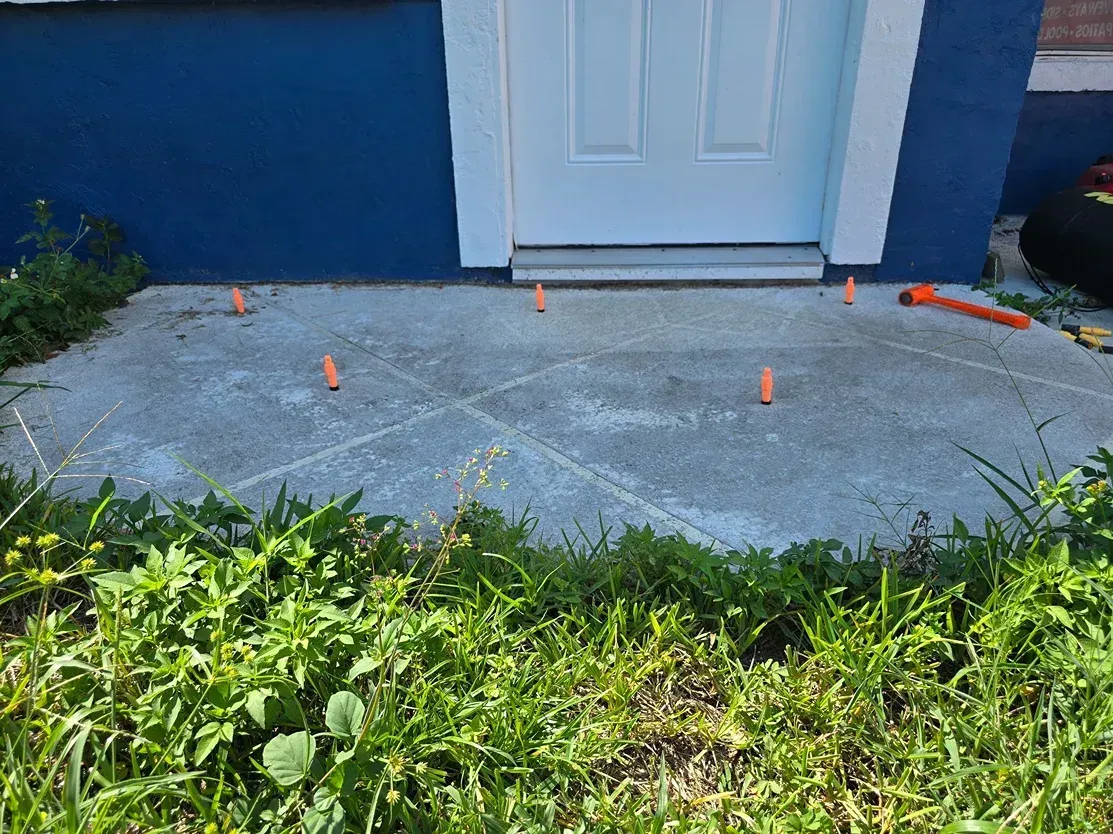
Cracks in driveways, walkways, and patios allow water to reach the soil base beneath the concrete, washing away support and causing further settling and surface damage. Sealing these cracks prevents moisture intrusion and stops the deterioration cycle before it requires full slab replacement. Lift and Level Concrete Solutions applies flexible sealant to cracks in Ormond Beach concrete surfaces, filling the void and creating a barrier that withstands expansion and contraction caused by temperature changes and ground movement.
Concrete cracks for multiple reasons—settling, weather cycles, and heavy use all contribute—and sealing addresses the immediate problem of water penetration that turns a minor crack into a major failure. The sealant bonds to the concrete edges and flexes with seasonal movement, maintaining protection even as the slab expands in heat and contracts in cooler weather. This preventative step extends the life of existing concrete surfaces at a fraction of the cost required for removal and replacement.
Schedule a crack inspection and sealing to identify which cracks require immediate attention and prevent further water damage to the base.
How Sealing Stops Water Intrusion and Surface Breakdown
The sealing process begins with cleaning debris and loose material from the crack using compressed air or wire brushes to ensure the sealant adheres properly to the concrete edges. A flexible polyurethane or polyurea sealant is then applied into the crack, filling it completely from the surface down to the base. The sealant cures into a watertight barrier that prevents rain and irrigation water from reaching the soil beneath the slab.
After sealing, water runs across the surface instead of penetrating the crack and eroding the base below. This stops the cycle where water intrusion washes away soil, creates voids, and causes the concrete to settle further and crack more severely. Sealed cracks also prevent debris buildup and weed growth that widen the gap over time, preserving the structural integrity of the slab.
Crack sealing works as a standalone service for surfaces that are otherwise level and intact, and it complements lifting and leveling when cracks have formed due to settling. Sealing does not repair cracks that have already caused structural failure or significant surface spalling, but it does prevent minor cracks from progressing to that point. The service provides the most value when performed early, before water damage compromises the base and requires more extensive repair.
Questions Before Starting Your Project
Crack sealing involves specific material and timing considerations that affect long-term performance and determine whether the service fits a particular situation.
What causes concrete to crack in Ormond Beach?
Settling from soil movement, thermal expansion and contraction during temperature swings, and stress from vehicle weight or root pressure all contribute, with coastal humidity and frequent rainfall accelerating the damage once cracks allow water to reach the base.
How does sealing extend the life of existing concrete?
Preventing water intrusion stops the erosion cycle that washes away base material and causes further settling, and it blocks freeze-thaw damage in cooler months when trapped moisture expands and widens cracks, ultimately delaying or eliminating the need for full replacement.
When should cracks be sealed rather than left alone?
Any crack wider than a quarter inch or any crack that shows signs of water infiltration—such as staining, soil washout, or surrounding settlement—should be sealed promptly to prevent progression; hairline cracks may not require immediate sealing unless they occur in high-moisture areas.
What type of sealant is used for concrete crack repair?
Flexible polyurethane or polyurea sealants accommodate the natural expansion and contraction of concrete without breaking the bond, unlike rigid fillers that crack again as the slab moves with temperature changes and ground shifts common in Florida's climate.
How long does crack sealant last before it needs reapplication?
Quality sealants typically last five to ten years depending on exposure to traffic, UV radiation, and moisture levels, with reapplication needed when the sealant begins to pull away from the crack edges or shows visible deterioration that allows water penetration.
Lift and Level Concrete Solutions provides crack sealing for residential and commercial concrete surfaces throughout Ormond Beach as both a preventative measure and a follow-up to leveling work. Call (386) 523-4818 to arrange an inspection and receive recommendations on which cracks require sealing to protect your investment and avoid more costly repairs later.