
Repairs That Restore Function and Safety
Concrete Repair Projects in Ormond Beach for cracked slabs, surface spalling, and settlement-related damage
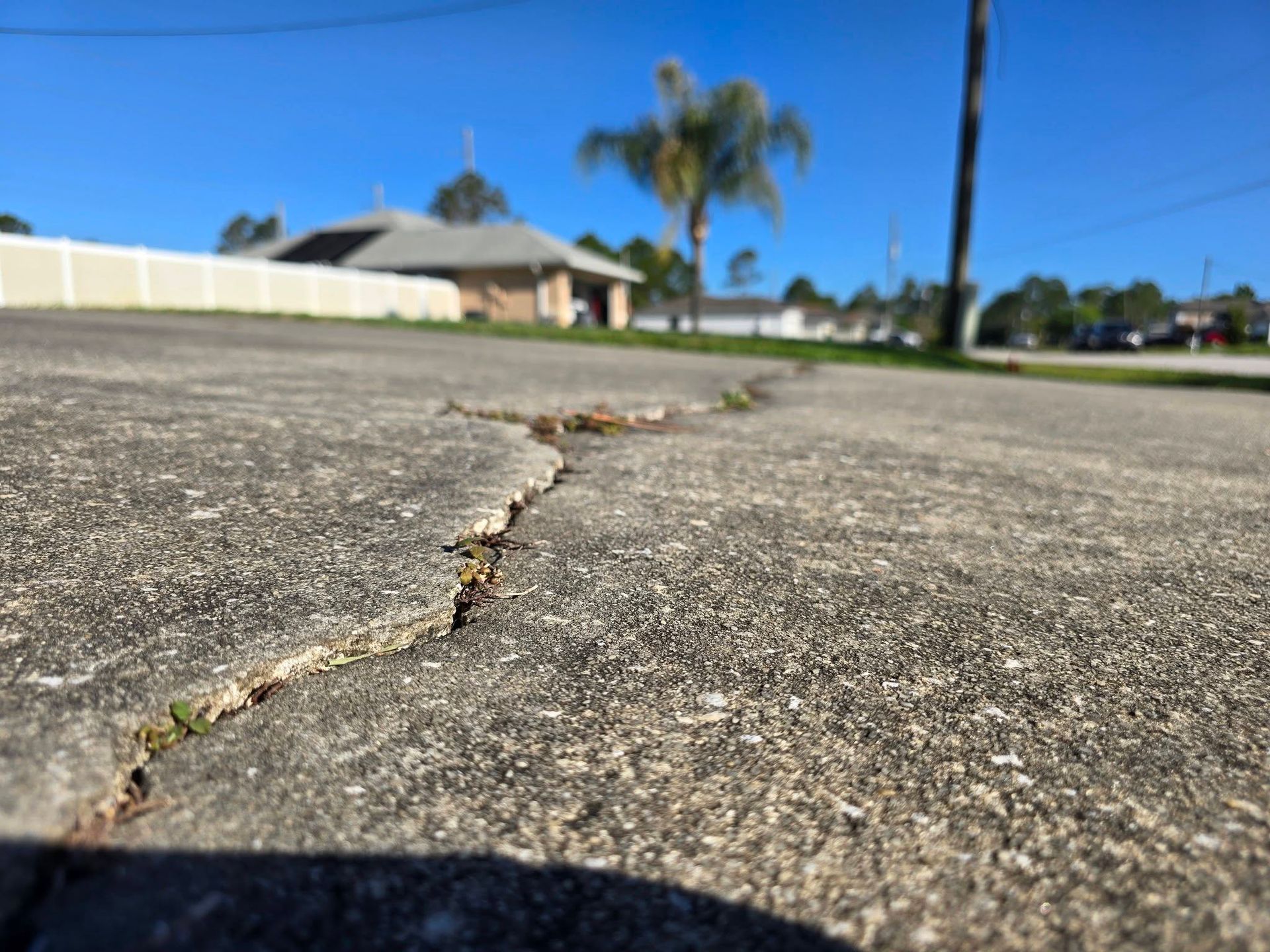
Lift and Level Concrete Solutions handles concrete repair projects in Ormond Beach that address damage ranging from surface deterioration to structural cracks caused by soil movement. The range of repair needs varies depending on whether the concrete has cracked due to settlement, spalled from moisture exposure, or developed fractures from repeated loading. Coastal properties in the area often see accelerated wear from salt air and fluctuating water tables, which requires repairs tailored to damage type and severity rather than one-size-fits-all patching.
Repair work is customized based on how the concrete failed—settlement cracks receive stabilization before sealing, while surface spalling requires removal of loose material and proper bonding agents to hold new layers. The goal is restoring not just appearance but function, particularly for driveways, walkways, and commercial loading areas where structural integrity affects daily use and liability.
Request a repair consultation to evaluate the specific type of damage and determine which approach will hold up under local conditions.
What Proper Repair Work Includes
Repair projects begin with identifying whether damage stems from surface wear, structural movement, or water infiltration, since each cause requires different preparation and materials. Surface repairs involve cleaning damaged areas to bare concrete, applying bonding agents that chemically adhere new material to old, and matching finish texture to surrounding surfaces. Settlement-related cracks require stabilization of the underlying slab before any cosmetic repair, or the crack will simply reappear as movement continues.
After repairs set and cure, the concrete surface returns to safe use without trip hazards, exposed rebar, or water entry points that accelerate further breakdown. Cracks no longer collect debris or allow moisture to reach the base material, and spalled areas regain their structural shell. Both residential patios and commercial walkways see extended functional life when repairs address the root cause rather than masking symptoms with surface patches.
Repair work can include partial slab replacement if damage is too extensive for bonding methods to hold, or it may involve joint sealing and crack routing where the concrete itself remains sound. The scope depends on visual inspection and sometimes probing to check subsurface voids, particularly in areas where sandy soil has washed out beneath the slab.
Questions Before Starting Your Project
Property owners often ask about repair options before committing to demolition or full replacement, especially when damage appears manageable but they're unsure what will actually hold up long-term.
What determines whether concrete can be repaired or needs replacement?
The deciding factors include crack width, whether the slab has shifted or remains level, and whether the base material beneath the concrete is stable or has washed away. Cracks wider than a quarter inch or slabs with significant height differences usually point toward replacement, while surface damage on stable slabs can be repaired effectively.
How does Ormond Beach's climate affect repair longevity?
High humidity and salt exposure from coastal air mean that repairs must use moisture-resistant bonding agents and sealers rated for marine environments, or they will delaminate within a few seasons. Standard patching compounds designed for dry climates often fail here because they don't account for the constant moisture cycling concrete experiences near the coast.
When should repairs happen relative to other foundation work?
Repairs should follow any slab lifting or soil stabilization, since repairing cracks or spalling before the slab is leveled means the repair material will crack again as the concrete moves into its final position.
What's included in a typical residential repair project?
Most projects include crack routing and sealing, surface preparation, application of repair material, finishing to match surrounding texture, and cleanup of all debris. Joint sealing or minor grinding may also be included if needed to restore safe walking surfaces.
How long before repaired areas can handle normal use?
Foot traffic is typically safe after 24 to 48 hours depending on temperature and humidity, but vehicular traffic requires full cure time of five to seven days to avoid surface damage or imprinting from tire loads.
Lift and Level Concrete Solutions evaluates both the visible damage and underlying conditions to recommend repair strategies that address the actual cause rather than just covering symptoms. Schedule a repair consultation to review damage patterns and determine which approach will restore safe, stable surfaces for residential or commercial use.